The United Republic Of Tanzania
Ministry of Education, Science and Technology
Mbeya University of Science and Technology
Leading Centre of Excellence for Knowledge, Skills, and Applied Education in Science and Technology
Leading Centre of Excellence for Knowledge, Skills, and Applied Education in Science and Technology

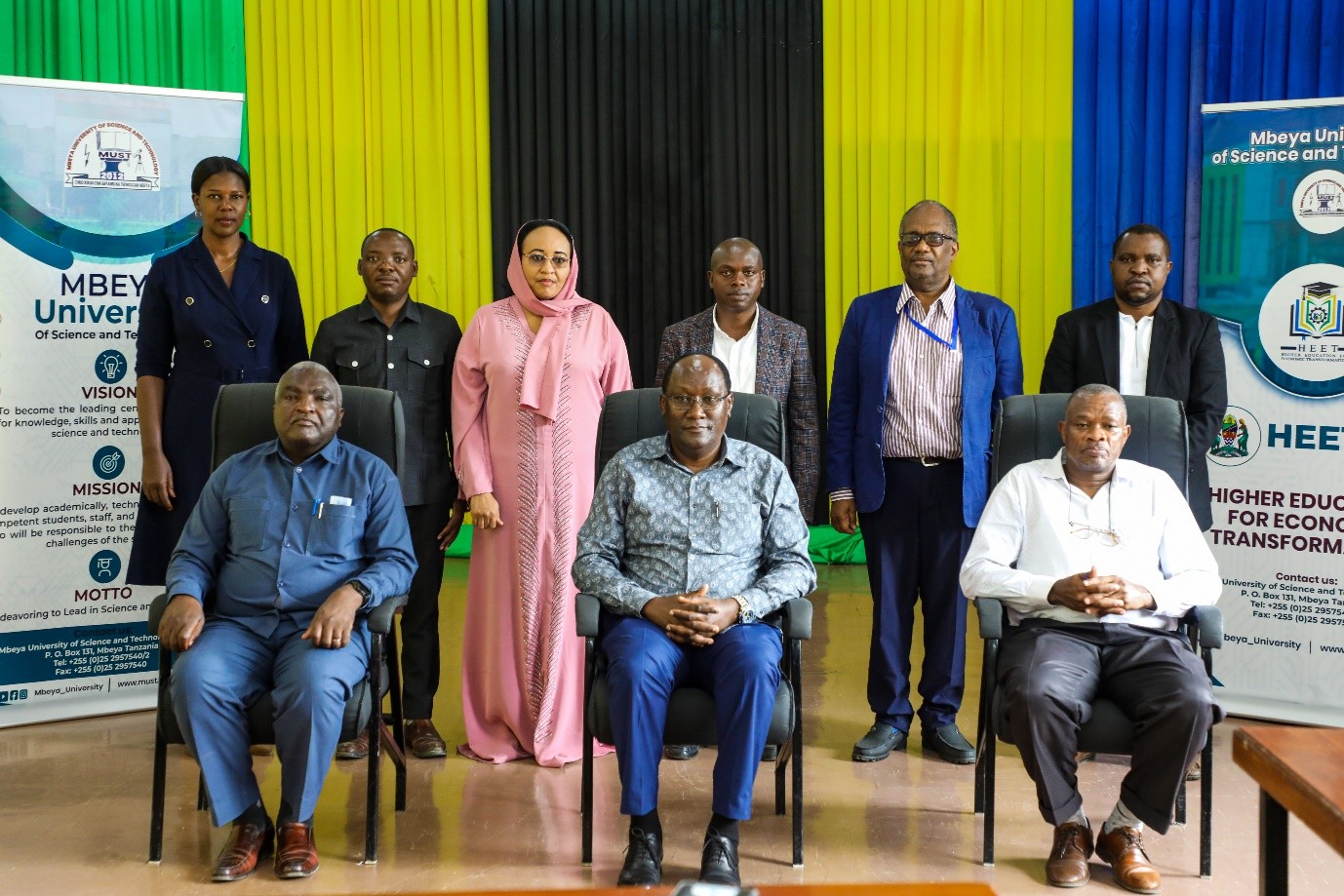
Mbeya University of Science and Technology (MUST) recently hosted the Deputy Secretary General of the Ministry of Education, Science and Technology, responsible for Science and Higher Education, Prof. Daniel E. Mushi, during an official working visit aimed at assessing the progress of the implementation of the Higher Education for Economic Transformation (HEET) Project at the University.
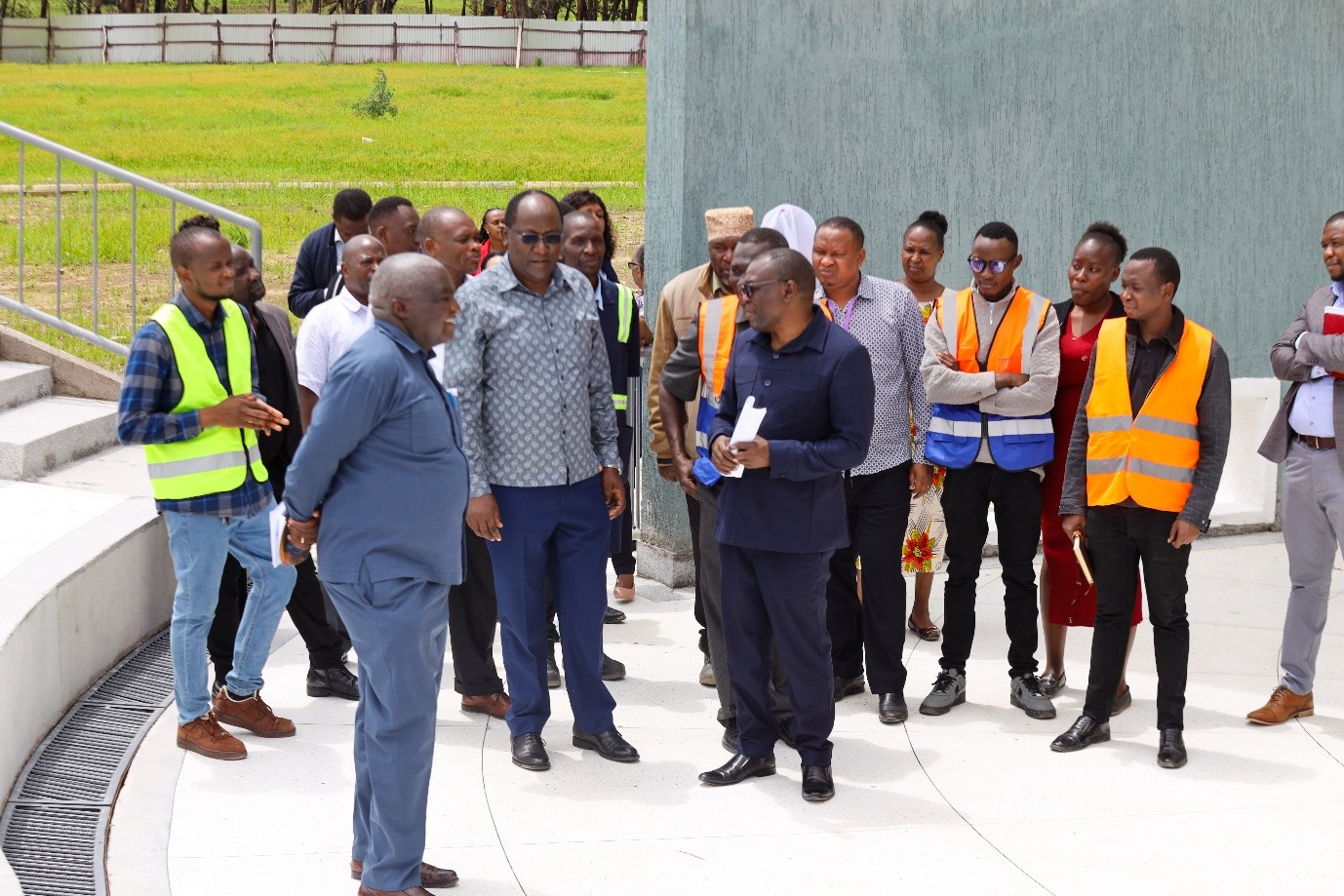
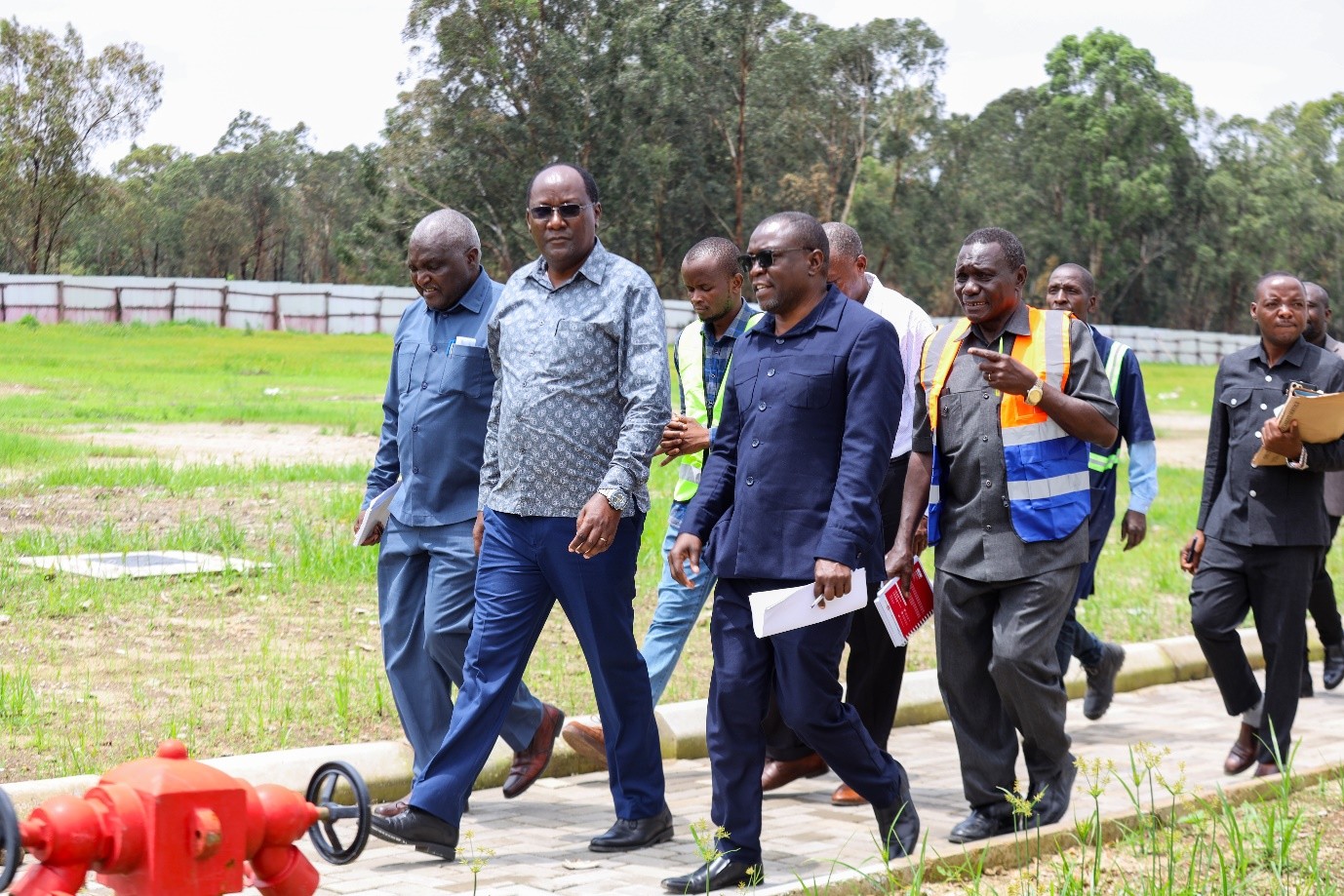
The visit began on 8th January 2026 at MUST Rukwa Campus College, where Prof. Mushi inspected infrastructures constructed under the HEET Project. During the visit, he toured the construction sites and expressed great satisfaction after observing that the buildings had been completed, fully furnished, and were already being used for teaching and learning activities. He noted that the timely completion and effective utilisation of the facilities clearly demonstrated the University’s commitment to proper project implementation.
While addressing the University Management and Project implementation team, Prof. Mushi emphasised that the HEET Project has played a crucial role in transforming higher education institutions across the country by enabling them to acquire modern infrastructure and advanced learning facilities. He stated that such investments are essential in equipping students with relevant knowledge, practical competencies, and skills that meet current national and global demands. He further advised the University to strengthen its marketing and student recruitment strategies in order to attract more students and ensure full utilisation of the facilities, particularly at MUST Rukwa Campus College.
At the Rukwa Campus, MUST has constructed two major buildings under the HEET Project. These include an academic block comprising lecture rooms, laboratories, and offices, as well as a modern workshop building that houses engineering programmes such as Mechanical Engineering, Electrical Engineering, Civil Engineering, and other related disciplines. Prof. Mushi noted that these facilities provide a strong foundation for expanding academic programmes and improving the quality of training offered at the campus.
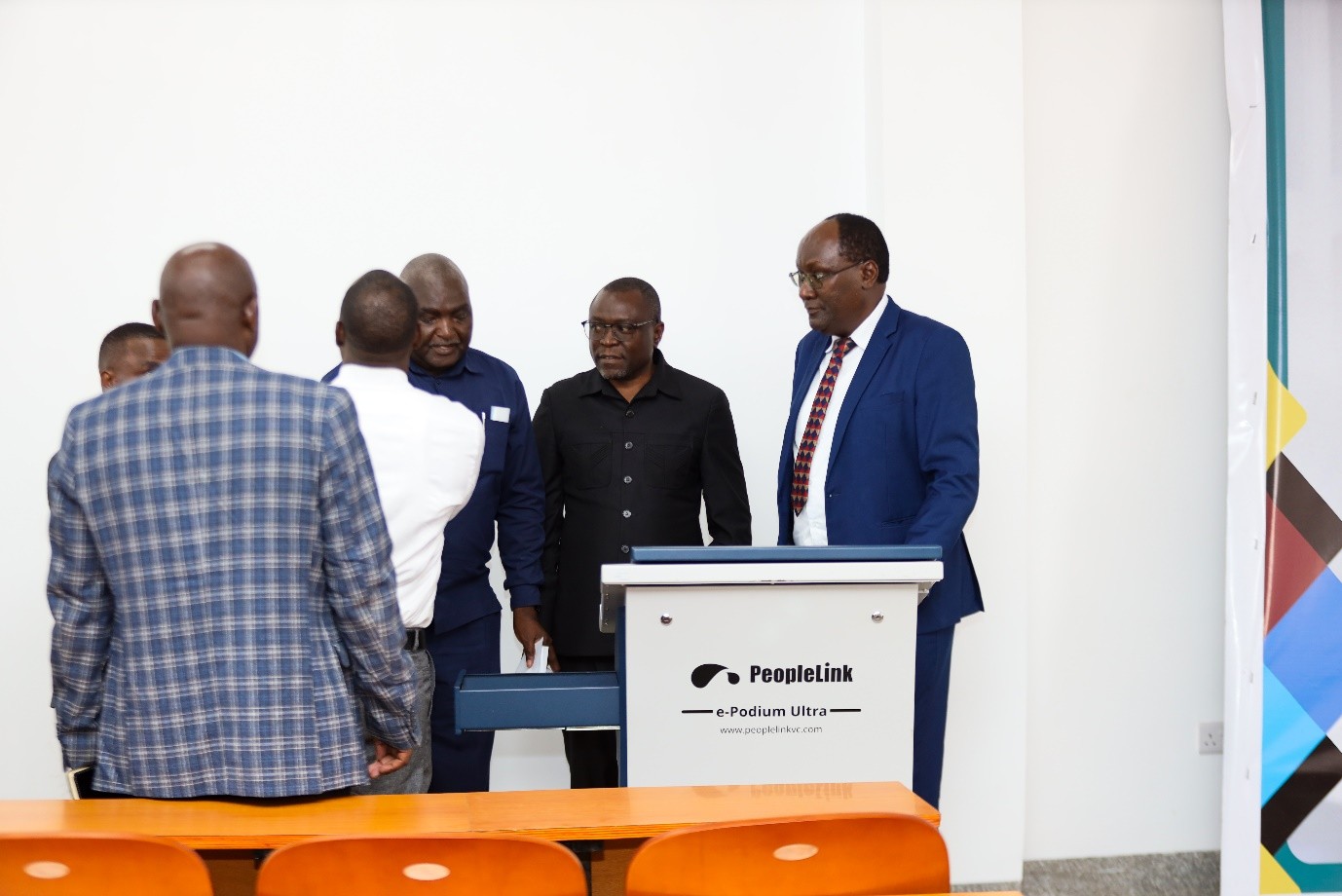
On the second day of the visit, Prof. Mushi proceeded to the MUST Main Campus, where he inspected similar HEET-funded infrastructures. He toured three major facilities developed under the project: a large academic block with the capacity to accommodate more than 3,500 students at a time, the Centre of Innovation and Technology Transfer (CITT), and modern workshops. He was impressed by the scale, quality, and functionality of the buildings, observing that all facilities were fully furnished and actively supporting teaching, learning, research, and innovation.
Prof. Mushi commended MUST for the effective implementation of the HEET Project, stating that the Ministry of Education, Science and Technology was highly satisfied with the progress achieved. He described MUST as one of the exemplary success stories of the HEET Project at the national level. He further explained that the project aims to increase the number of graduates in higher education institutions across the country and urged the University to increase student enrollment to contribute effectively to national development goals. At the same time, he directed the University to ensure that all remaining project components are completed and managed in accordance with agreed standards and timelines.
On behalf of the University, the Acting Vice Chancellor, Prof. Zacharia Katambara, expressed heartfelt appreciation to the Government of the United Republic of Tanzania, under the leadership of H.E. Dr. Samia Suluhu Hassan, for her strong vision and commitment to investing in higher education through the HEET Project. He noted that the project has significantly transformed the University’s physical outlook and academic environment, enabling MUST to operate with modern infrastructure that supports quality education and innovation.
Prof. Katambara also extended his gratitude to the Ministry of Education, Science and Technology for its close supervision, continuous guidance, and constructive feedback throughout the implementation of the project. He assured the Deputy Secretary General that MUST management remains committed to implementing all directives provided during the visit and to ensuring that the HEET Project continues to deliver meaningful impact to students, staff, and the nation at large.